
 By
By 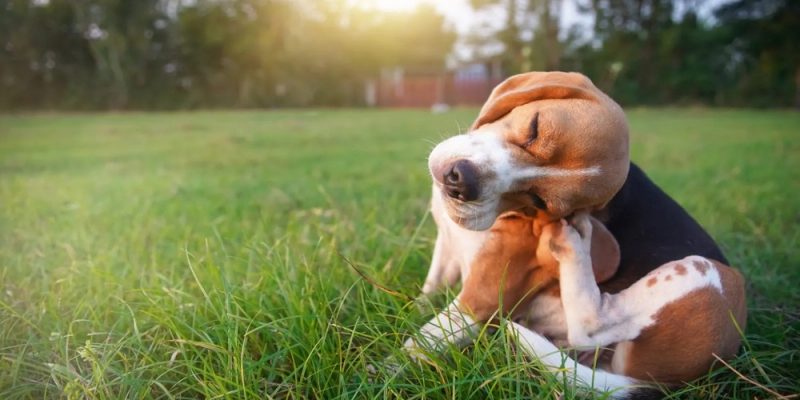
Lake Elsinore is a genuinely dog-friendly community. The trails around the lake, the hillside open space, the access to the Santa Ana River bottom and the Cleveland National Forest – these are part of why people choose to live here, and most households with dogs take advantage of them regularly. The same open space that makes Lake Elsinore attractive for hiking with pets is also where the flea problem starts. Main Sail Pest Control serves pet owners throughout the Elsinore Valley, and flea calls follow a clear geographic pattern: households near trail corridors, open space buffers, and drainage areas deal with flea pressure at a meaningfully higher level than homes in dense interior neighborhoods with no adjacent undeveloped land. Understanding why is what leads to a more effective response than treating the dog alone.
Wildlife on the Trails Is the Source Most People Don’t Think About
The coyotes, rabbits, ground squirrels, deer, and raccoons that travel through Lake Elsinore’s open space and trail networks are all flea hosts. Flea populations depend on wildlife to move them across a landscape – these animals are the reservoir that keeps flea populations established in natural areas year-round regardless of whether any pets walk through.
When a coyote or rabbit moves through tall grass, it deposits flea eggs into the environment. Flea eggs aren’t sticky – they fall off the host into the surrounding vegetation and soil within minutes of being laid. Those eggs develop through larval and pupal stages in the ground-level environment, and the resulting adult fleas wait in the vegetation for a warm-blooded host to walk through. The trigger for an adult flea to jump onto a host is the vibration, shadow, and carbon dioxide signal of an animal moving nearby.
A dog walking a trail through brush used by coyotes or rabbits in the previous hours is walking through an environment seeded with fleas at various life stages. Adult fleas jump onto the dog during the walk. Flea eggs and larvae in the dog’s coat fall off in the car, on the porch, and throughout the house during the remainder of the day. By the time the owner notices their dog scratching, a flea introduction has typically already occurred.
How Flea Problems Establish Inside Homes
The flea lifecycle is what makes indoor infestations so persistent and why treating the pet alone doesn’t solve the problem. An adult flea on a dog or cat represents only about 5% of the total flea population in an infested environment. The other 95% are eggs, larvae, and pupae distributed throughout the pet’s resting areas, the carpeting and furniture it sleeps on, and anywhere the pet spends regular time.
Flea eggs hatch into larvae that are negatively phototactic – they move away from light and into carpet fibers, under furniture, and into floor cracks and crevices. Larvae feed on organic debris and flea feces (which is digested blood from the adult flea’s feeding on the pet) and develop into pupae. The pupal stage is the most resilient – cocooned in a sticky outer casing that resists insecticide contact, pupae can remain dormant for months and hatch when triggered by the vibration, heat, and carbon dioxide of a passing host.
This is why treatment that kills only the visible fleas on the pet, or only the adult fleas in the carpet, fails. The pupae survive, hatch, and reinfest the treated animal within weeks. A thorough flea treatment has to address all life stages in the environment – not just the adults.
The Yard Is Part of the Problem in Lake Elsinore
For pet owners near open space and trail corridors in Lake Elsinore, the yard itself frequently becomes a secondary flea establishment point. A dog that sits in the back yard after a trail walk deposits flea eggs into the yard’s soil and vegetation. Wildlife that accesses the yard over or under fencing – and in neighborhoods adjacent to open terrain, this is common – seeds the yard independently of the pet.
Flea larvae develop well in shaded, moist soil. The areas of a yard that are shaded by landscaping or structures, kept consistently damp by drip or spray irrigation, and that accumulate leaf litter or mulch are exactly the conditions that allow outdoor flea populations to establish. Once larvae are present in the yard, the soil becomes a flea source that continuously reintroduces adults to the pet every time the dog goes outside, even if the interior has been treated.
This is one of the most common reasons flea treatments that cover only the interior of the home fail to resolve the problem for Lake Elsinore pet owners with trail access. The dog goes outside, picks up newly hatched adults from the yard, and reintroduces them indoors. The interior infestation re-establishes within a few weeks of treatment.
What Effective Flea Treatment Actually Requires
Addressing a flea infestation in a Lake Elsinore home with trail-access dogs requires three simultaneous tracks – not one or two.
Veterinary treatment of all pets in the household with an appropriate flea product is the first step and the pet owner’s responsibility. The specific product – whether topical, oral, or a combination – is a conversation with a veterinarian, not something a pest control company advises on. What matters is that all pets are treated at the same time as the environment is treated.
Interior treatment addresses adult fleas and larvae in the home environment, with products that include an insect growth regulator to prevent larvae from developing into adults. IGR-containing products are what break the lifecycle indoors – without them, surviving larvae and newly hatching pupae continue producing adult fleas regardless of how many adults are killed in the initial treatment.
Exterior yard treatment targets the shaded, moist areas where larvae are developing outside – under low-growing shrubs, along fence lines, in areas with ground cover, and wherever the pet regularly rests or spends time. This is the component that’s missing from most DIY flea treatment attempts and the component that makes the difference for homes near open space where the yard is being seeded by both the pet and by passing wildlife.
The Timing That Makes Treatment Work
Two weeks after a professional flea treatment is the common window when homeowners call back concerned the treatment didn’t work – they’re seeing fleas again. This is almost always pupae hatching. Adult fleas that were killed by the treatment cannot be replaced by pupae that were protected inside their cocoons during the initial application. Those pupae are hatching on schedule, and the newly emerged adults will die in the treated environment – but the gap between hatching and death is when they’re visible and when they bite.
Understanding this timing matters because the instinct is to retreat immediately. The better response is to keep pets on their veterinary flea product through this hatching window so that newly emerged adults are killed on contact rather than allowed to feed and lay new eggs. The treated environment handles the pupae as they hatch; the pet product handles the adults before they can start the cycle again.
Getting Flea Treatment Right Near Lake Elsinore’s Open Space
Main Sail Pest Control provides interior and exterior flea treatment for Lake Elsinore pet owners. If you walk your dogs near the lake trails, the Santa Ana River bottom, or the hillside open space, and you’re dealing with fleas that keep coming back despite treating your pets, the yard treatment component is almost certainly what’s missing.
Contact Main Sail Pest Control for a same-day assessment. We serve Lake Elsinore, Wildomar, Menifee, Canyon Lake, and surrounding communities, and we’ll look at both the indoor environment and the yard conditions to put together a treatment that addresses the actual source of the problem.








Comments