
 By
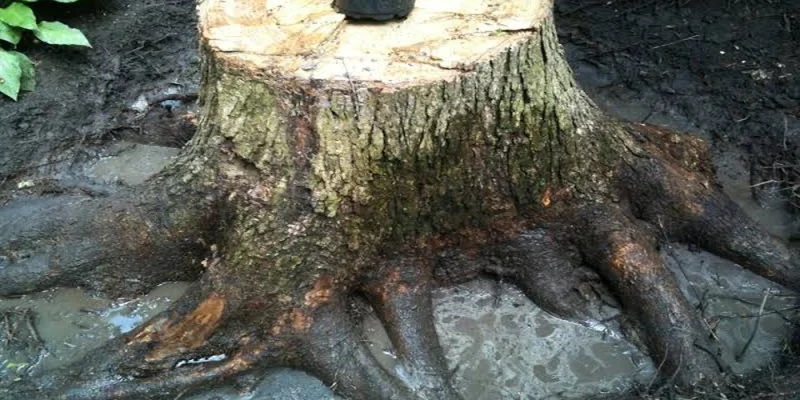
Across the Twin Cities west metro, the stumps homeowners face today are a different problem than they were twenty years ago. Emerald ash borer has turned thousands of yard and boulevard ash trees into stumps. Summer storms keep dropping mature silver maples. Lots around Lake Minnetonka often sit on heavy clay and glacial till, where roots spread wide and shallow instead of diving deep. The way people clear what is left has changed to match, moving away from burning, soaking and yanking toward machines that cut a stump into chips below the soil line in a single visit.
For properties in Excelsior, Deephaven, Minnetonka and the communities within about 30 miles of Deephaven, Stump Sniper brings that newer approach to everything from a single ornamental stump to HOA common areas, commercial lots and active job sites. The crew grinds stumps flush or below grade, handles full stump and root extraction, takes on oversized stumps with heavy rigs, grinds exposed surface roots, clears invasive root systems and finishes with wood chip and debris cleanup. Jobs start at a $200 minimum with a written quote before any work begins, so texting a photo of your stump next to a tape measure is the fastest way to see your price and pocket a 15 percent discount.
What clearing a stump used to involve
The older methods were built around patience or brute force, and most of them came with side effects people simply accepted.
Burning out. Drilling holes, adding fuel and letting the stump smolder. In practice the fire follows the roots underground and can keep burning for days, which is a real problem near fences, decks and dry turf. Open burning in Minnesota also generally needs a permit when the ground lacks snow cover, and the Minnesota DNR’s statewide fire restriction updates can shut it down entirely during dry spells. Many metro cities restrict it further.
Chemical rot. Pouring granular stump remover into drilled holes and waiting. The product speeds decay, but a large maple or ash stump can take many months to soften, and the homeowner still has to chop, dig or burn the remains.
Pulling. Wrapping a chain around the stump and hitching it to a truck. Clay soil grips roots hard, so pulling tends to tear up large sections of lawn, snap chains or fail outright on anything bigger than a sapling.
Waiting it out. Leaving the stump to rot on its own. That can take a decade for hardwoods, while the stump becomes a mowing hazard and sends up suckers from the root system.
What replaced each of those habits
The shift was driven less by fashion than by equipment getting smaller and smarter, and by rules that made the old approaches harder to justify.
Grinding below grade. A rotating cutting wheel with carbide teeth chews the stump down, typically 6 to 12 inches below the surface for lawns and deeper where a patio, shed pad or new tree is planned. Compact machines now fit through ordinary backyard gates, so tight lots no longer force a choice between hauling in an excavator and living with the stump.
Root work as its own task. Surface roots that buckle sidewalks or ripple a lawn are ground separately instead of being ignored. Root spread from a mature tree commonly reaches 5 to 15 feet out from the trunk, so treating the stump alone often leaves the actual tripping hazard behind.
Locates before any cutting. Minnesota law requires notice to the state’s one call center before excavation with powered equipment, and a grinder counts. The Minnesota Department of Public Safety’s guidance on Gopher State One Call explains the 48 hour notice period, which excludes the day of the request, weekends and holidays. When you hire a contractor, the contractor files the ticket.
Cleanup as part of the job. Grinding produces a surprising volume of chips. Modern crews rake them out, haul what the owner does not want and leave the site ready for soil and seed, instead of leaving a mounded pile that slowly sinks.
The two approaches side by side
| Situation | Typical result with older methods | Typical result with grinding today |
|---|---|---|
| Ash stump killed by borers | Burned or left standing for years | Ground on site, chips kept or handled under quarantine rules |
| Maple with roots under the driveway | Roots left in place, slab keeps lifting | Surface roots ground back to a safe distance |
| Fenced backyard with a narrow gate | Stump abandoned or hand dug for days | Compact grinder rolls through the gate |
| Buried irrigation or invisible fence | Discovered by accident with a shovel | Flagged before work, private lines marked by owner |
| Planned garden bed or replanting | Soft, chemical treated soil for a season | Chips removed, hole backfilled with topsoil |
Why west metro conditions sped up the change
Clay soil is the biggest local factor. It holds water, so a hole left full of chips stays soggy and settles unevenly through freeze and thaw cycles. That is why experienced crews now recommend pulling most chips and backfilling with topsoil wherever new grass is going in. Fresh wood chips mixed into soil also tie up nitrogen while they break down, which can leave a pale patch in the lawn for a season.
Emerald ash borer added a regulatory layer. Hennepin, Carver and other metro counties sit inside the state’s quarantine, and the Minnesota Department of Agriculture’s emerald ash borer quarantine page lists ash stumps, roots and chips among the regulated materials that cannot be moved out of quarantined areas without approval. Grinding on site and keeping chips local fits those rules far more easily than trailering whole stumps away.
Private underground lines are the other quiet trap. Gopher State One Call marks utility owned lines, but sprinkler systems, pet fences, landscape lighting and power runs to detached garages belong to the homeowner. A good crew asks about those before the wheel starts turning, and it helps to flag anything you know about with stakes or paint.
Where old instincts still slip in
Some habits linger. Homeowners still buy stump remover and pour it in, then call for grinding months later, which adds a wait without saving much money. Others ask for the shallowest possible grind to save a few dollars and later find they cannot set pavers or plant a replacement tree in the same spot. The better move is deciding what the space will become before work begins, then matching depth, root work and cleanup to that plan.
Timing matters less than it once did. Grinding works through most of the year in Minnesota, including late fall, and finishing now leaves the area ready for spring topsoil and seed. What has really changed is that a stump no longer has to be a project measured in weekends. With locates filed, the right depth chosen and the chips handled properly, it becomes a single visit followed by a yard you can actually use.



Comments