
 By
By 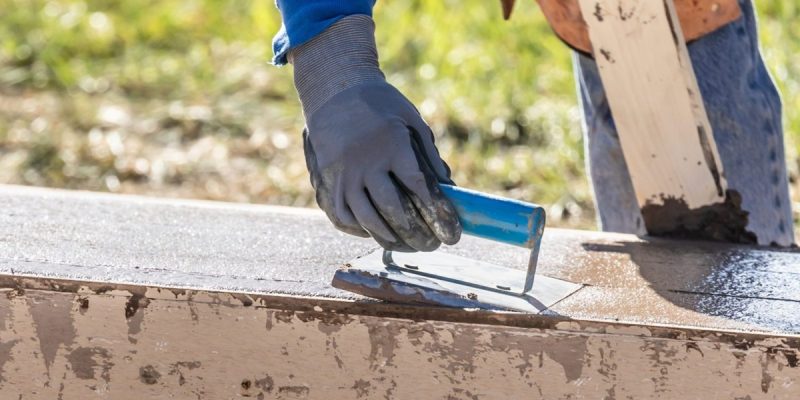
Spalling concrete repair contractors encounter the visible consequences of invisible processes that have been unfolding for years, sometimes decades, within building structures. The cracked, flaking concrete surfaces they assess tell stories of water infiltration, steel corrosion, and chemical reactions that occurred long before building owners noticed problems. In Singapore’s tropical environment, where heat, humidity, and occasional chloride exposure from coastal proximity accelerate deterioration, spalling represents one of the most common concrete pathologies demanding professional intervention.
The Assessment Process
Before any repair begins, spalling concrete specialists must determine the extent of damage, both visible and concealed. What appears as a small patch of broken concrete at the surface often masks more extensive deterioration spreading through the structure.
Visual inspection identifies obvious damage: exposed reinforcement steel, rust staining bleeding through concrete surfaces, delaminated areas where concrete has separated from underlying layers, and cracks radiating from spall locations. But experienced contractors know that visible damage represents only part of the story.
A contractor who has worked on hundreds of Singapore buildings explains: “We see a spall the size of a dinner plate and know the actual problem extends much further. The concrete around visible damage has likely undergone the same corrosion process. It just hasn’t failed yet. Our job involves finding that compromised concrete before it falls.”
Diagnostic techniques include:
- Hammer sounding to detect hollow or delaminated areas
- Pachometer surveys locating reinforcement steel
- Half-cell potential testing mapping corrosion activity
- Core sampling to assess concrete strength and carbonation depth
- Chloride content analysis determining contamination levels
Understanding Spalling Mechanisms
Concrete repair contractors must understand why spalling occurs to implement effective repairs. The most common cause involves a chain reaction starting with water penetration. Moisture reaches embedded reinforcement steel through cracks, porous concrete, or inadequate cover depth. The steel oxidizes, forming rust that occupies greater volume than the original metal. This expansion generates tremendous internal pressure, eventually fracturing the surrounding concrete.
Singapore’s climate accelerates this process. High humidity maintains moisture levels conducive to corrosion. Temperature cycling causes thermal expansion and contraction. Coastal buildings face additional challenges from airborne chlorides.
Repair Methodology and Material Selection
Once assessment defines the damage scope, spalling repair specialists develop repair strategies matching the specific deterioration patterns encountered. The fundamental principle: remove all compromised concrete and contaminated steel, then rebuild with materials and methods that prevent recurrence.
Concrete removal proceeds systematically. Contractors break away loose and delaminated material, extending cuts to sound concrete beyond visible damage.
A specialist in high-rise concrete restoration notes: “We don’t just patch what fell off. We remove everything that hammer sounding indicates is delaminated, even if it looks solid. Leaving compromised concrete guarantees the repair will fail within months.”
Steel reinforcement receives multiple treatment stages:
- Wire brushing or grit blasting to remove all rust
- Application of corrosion inhibitor primers
- Assessment of remaining steel cross-section
- Addition of supplementary reinforcement if needed
- Coating with protective primers before concrete replacement
Concrete Replacement Options
Concrete repair contractors select replacement materials based on repair geometry, structural requirements, and application conditions. Common options include polymer-modified cementitious mortars, epoxy mortars, and specialized repair concretes.
Polymer-modified mortars dominate general spalling repairs. These materials bond tenaciously to prepared substrates, resist shrinkage cracking, and cure rapidly. The polymers improve flexibility and reduce permeability compared to standard cement mortars.
Epoxy mortars serve repairs requiring maximum strength or chemical resistance, though high cost restricts use to specific applications.
Application methods vary by location and access:
- Hand troweling for small repairs and detailed work
- Spray application for large surface areas
- Forming and pouring for deep sections requiring structural capacity
- Overhead application techniques for soffit repairs
Preventing Future Deterioration
Effective repairs must address not just existing damage but also prevent recurrence. Spalling concrete repair specialists incorporate protective measures that interrupt deterioration mechanisms.
Surface treatments applied after repairs include breathable sealers that repel water whilst allowing vapour transmission, corrosion-inhibiting coatings that protect remaining embedded steel, and sacrificial anodes that provide cathodic protection to reinforcement.
A contractor experienced in coastal building repairs observes: “Repair without protection just delays the inevitable. We’ve returned to buildings where previous repairs failed because nobody addressed ongoing water infiltration or chloride exposure. Comprehensive solutions combine repair with protective systems.”
Quality Control and Verification
Professional concrete repair contractors implement quality procedures ensuring repairs meet performance specifications. Concrete samples undergo compression testing verifying strength development. Bond strength testing confirms adequate adhesion between repair materials and existing concrete.
Documentation includes photographic records of conditions before, during, and after repairs. This evidence proves valuable for warranty claims or future maintenance planning.
Structural Considerations
Severe spalling sometimes indicates compromised structural capacity requiring engineering assessment. Spalling repair specialists coordinate with structural engineers when damage affects load-bearing elements or when reinforcement corrosion has significantly reduced steel cross-sections.
Repairs in these situations might involve structural strengthening through additional reinforcement, external post-tensioning, or composite fibre wrapping.
Conclusion
The work performed by concrete repair professionals extends far beyond filling holes in damaged surfaces. Through systematic assessment revealing hidden deterioration, removal of all compromised materials, proper steel treatment and protection, appropriate repair material selection, and preventive measures addressing root causes, these specialists restore both appearance and structural integrity to damaged concrete. In Singapore’s challenging tropical environment, where multiple factors conspire to accelerate concrete deterioration, the expertise and methodical approaches employed by qualified spalling concrete repair contractors preserve building stock, prevent safety hazards, and extend structure service life through repairs that address not merely symptoms but underlying causes of concrete spalling.








Comments