
 By
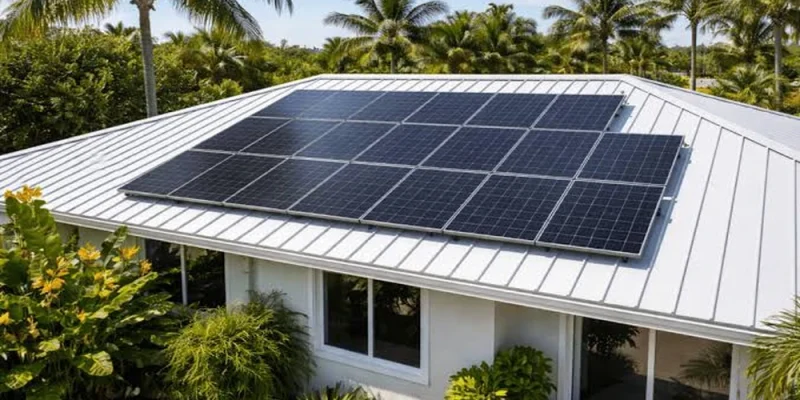
Most rooftop solar panels are built to keep producing power for 25 years or longer. Many asphalt shingle roofs wear out in about 20. Put those two numbers side by side and a common problem shows up. A homeowner installs a brand new array on a roof with eight good years left. Then the shingles fail, and the whole system has to come off before anyone can fix the roof.
Because of that mismatch, more homeowners now treat the roof and the solar system as one decision instead of two. A contractor like McKay Roofing and Solar works on both, so the roof gets a close look before anyone designs a panel layout. No matter who you hire, deciding the order of the work matters more than choosing a panel brand.
It also helps to understand how you’ll pay for the system before you sign anything. The Federal Trade Commission’s guide to solar power for your home explains the differences between buying, leasing and signing a power purchase agreement. Each option changes who owns the equipment, and it can also change who is responsible for the roof underneath it.
Why Roof Age Comes Up First
Taking panels off and putting them back on is a job of its own. The crew has to disconnect the system, remove the modules and racking, store everything safely and reinstall it after the new roof goes on. You usually pay for that per panel, and on a typical home the total can rival the cost of a modest roof repair. In some areas you’ll also need a new permit and inspection.
A simple rule of thumb holds up well. If a shingle roof is less than ten years old and in good shape, it can usually carry panels without trouble. Between ten and fifteen years, get a proper inspection. Once a roof is in the last third of its expected life, replacing it before the array goes up almost always costs less over time.
What an Inspector Looks For Under the Future Array
Once panels are installed, the part of the roof under them is hard to see. Problems there tend to stay hidden until water shows up on a ceiling. A good pre-solar inspection focuses on the area the array will cover and checks:
- Soft or spongy decking that may not hold mounting hardware
- Heavy granule loss, curling or cracked shingles
- Cracked, slipped or broken tiles
- Worn underlayment, especially under tile roofs
- Flashing around vents, skylights and chimneys
- Water stains, mold or daylight showing in the attic
- Rafter size, spacing and condition, since the mounts attach to the rafters
None of these items stops a project. They just need to be fixed while the roof is still open and easy to reach.
Every Mount Is a Hole in the Roof
Most residential racking is bolted through the roofing into the rafters below. A typical array might have dozens of these attachment points. Each one is a spot where water can get in if the installation is rushed.
Good installers use flashed mounts, where a metal or composite flashing slides under the shingle course above and sheds water past the bolt. Sealant on its own wears down in the sun and heat. It works as a backup, not as the main defense.
Animals are another problem. The shaded gap under a panel is an ideal nesting spot for pigeons and rodents. Their droppings and nesting material trap moisture and clog drainage. Mesh critter guards around the edge of the array are cheap to add during installation and awkward to retrofit later.
Tile, Shingle and Flat Roofs Each Ask Something Different
Asphalt shingle is the easiest roof to mount on. The main question is age. A newer shingle roof with sound decking is usually ready as it is.
Concrete and clay tile can last a very long time, but the underlayment beneath it usually doesn’t. Many tile roofs that look fine from the street have underlayment at the end of its life. Installers often lift the tiles in the array area, replace the underlayment, and use tile hooks or replace some tiles with flashed mounting plates. Tiles also break easily under foot traffic, so it’s worth asking how the crew plans to move around the roof.
Low-slope and flat roofs often use tilted racking. Depending on the membrane and the structure, the racking may be held down by ballast weight or attached through the roof. Ponding water and worn membranes need attention first, because a membrane covered by racking is hard to patch later.
Standing seam metal lets installers clamp racking onto the raised seams without drilling at all. It’s one of the cleanest pairings of roof and panels.
The Electrical Side Has Changed Too
The economics of rooftop solar have shifted. Many utilities now credit power you send back to the grid at a lower rate than the power you buy. That has pushed more homeowners to add battery storage so they can use their own solar output in the evening. Batteries, inverters and EV chargers all add load and wiring, so the main electrical panel may need an upgrade before the system is connected to the grid.
Incentives have changed as well. The federal 30 percent residential credit no longer applies to systems bought after 2025, so the payback math is different from what a neighbor may have calculated a few years ago. Since sales pressure has grown along with demand, the Treasury Department’s consumer solar awareness page is worth reading before you commit to a loan or lease.
Timing the Two Projects Together
The best sequence is usually roof first, panels second, with both planned together. When the roofer knows where the mounts will go, the flashing can be built into the new roofing as it’s installed instead of cut in afterward. When the solar designer has a sound roof to work with, the layout can follow sun exposure and setback rules instead of avoiding weak spots.
Warranties need the same attention. A roof usually carries a material warranty and a workmanship warranty, and a solar installer typically warrants its own roof penetrations. If those come from two different companies, a leak near a mount can turn into an argument over who’s responsible. Get in writing who covers what, and for how long.
After installation, keep an eye on things. Look at the array once a year, clear leaves out of nearby valleys and gutters, and check the attic after heavy rain. The roof under the panels is the hardest part of the house to inspect, so starting with a sound roof and careful mounting matters most.


Comments