
 By
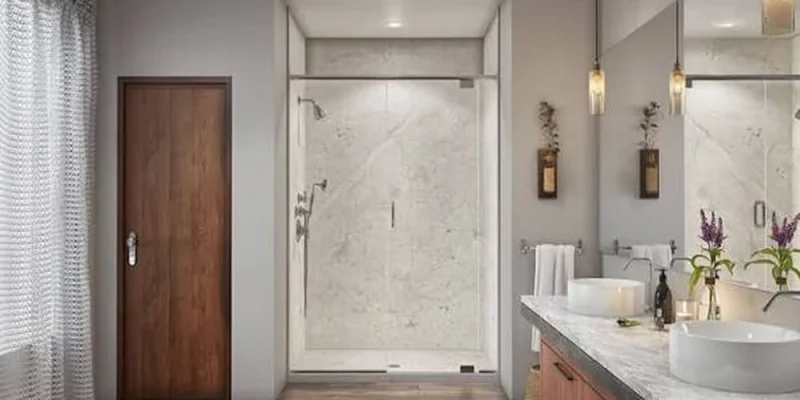
Most bathroom projects in South Louisiana start with something small. It might be a soft spot near the tub, grout that stays gray no matter how hard it gets scrubbed, or a shower door that never quite seals. From there, homeowners usually end up choosing between two very different projects. One replaces the bathing area with factory-made surfaces in about a day. The other strips the room to its studs and rebuilds it over several weeks. Both end with a new bathroom, but they solve different problems, and most remodeling regret comes from picking the wrong one.
Gulf Coast remodelers such as Luxury Bath Pro have spent more than thirty years doing the faster version from their Elmwood base. They swap tired tubs and showers for acrylic systems, walk-in tubs and accessible showers, often after a single in-home consultation. Knowing how that approach compares with a traditional tear out helps any homeowner walk into an estimate with sharper questions.
Two Projects That Only Match From the Doorway
A one day bath makeover focuses on the wet zone. The old tub or shower comes out, and the walls behind it get checked and prepared. Then a new tub or shower base goes in with seamless wall panels made from acrylic or a similar nonporous surface. Fixtures, a door or curtain rod, and accessories like grab bars or shelves follow. The vanity, toilet, flooring and lighting usually stay unless they are added as separate work.
A full gut remodel treats the whole room as raw space. Drywall, tile, sections of subfloor, and sometimes plumbing and wiring are removed. After that comes rough plumbing, electrical updates, inspections where the parish requires them, a waterproofing membrane, tile setting and grout curing. Fixtures and cabinetry go in last. Each trade waits on the one before it, which is why the calendar stretches.
Behind the Wall Is Where the Choice Gets Made
The surface rarely tells the full story. In older homes across Metairie, Kenner and the North Shore, water has had decades to slip past failed grout and caulk. A fast system installation is a great fit when the framing and subfloor are sound. When they are not, the job grows no matter which route you prefer.
A few signs usually point toward a bigger scope.
- Floor tiles that crack or flex near the tub apron
- Staining on the ceiling below an upstairs bathroom
- A musty smell that returns a few days after cleaning
- A tub spout or valve that wobbles when touched
- Plans to move the toilet, shower drain or vanity to a different wall
None of these automatically rules out a quick install, but each one deserves a look under the surface before anyone signs. A reputable installer will pull the old fixture, stop if the substrate is rotten, and then talk through repairs. That pause is a good sign, not a sales tactic.
Grout, Humidity and the Long Haul
Humidity shapes bathrooms near the Gulf more than almost anything else. Tile handles water well, but grout is porous. It absorbs moisture, holds soap film and gives mildew a place to settle. Sealing helps for a while, and then resealing becomes a recurring chore.
Panel systems cut most of that maintenance by removing most of the joints. A wipe with a nonabrasive cleaner usually keeps them looking right. The tradeoff is that acrylic can scratch under harsh powders. A damaged panel also has to be replaced, whereas a single cracked tile can be swapped out on its own.
Whichever surface wins, ventilation still matters. The EPA’s guidance on controlling moisture in your home recommends a bathroom exhaust fan that vents outdoors rather than into the attic. That detail is worth checking during any remodel, because plenty of older Louisiana houses send fan air straight into the attic, where it condenses on the roof decking.
Living With the Work
Time is the most obvious difference. A system install often wraps up in a day or two. That matters when the house has a single full bath, an aging parent, or kids who need to be out the door by seven. A gut remodel can run three to eight weeks once demolition, inspections, tile work and material lead times stack up. Plan for dust, a dumpster in the driveway and a few surprise conversations about what the crew found.
Paperwork scales the same way. Louisiana requires contractors who take on residential improvement work valued above $7,500 to hold a state home improvement registration, and parishes set their own permit rules. Moving drains or adding circuits usually brings inspections into the picture. Ask any contractor for their registration number and confirm it with the state licensing board before work begins.
Where Design Freedom Pulls Apart
Layout. A gut remodel can move anything. You can shift the shower to the opposite wall, borrow space from a closet, or build a curbless entry. The faster route generally keeps the existing footprint and drain location.
Finish options. Tile offers endless patterns, from handmade zellige to large-format porcelain. Modern panel systems have closed much of that gap with marble, subway and stone looks, along with built-in soap niches and corner seats. The patterns still come from a catalog, though.
Accessibility. This is where the quick approach often shines. A homeowner can convert a tub to a low-threshold shower, add a fold-down seat, or install a walk-in tub with a door and handheld wand without a full rebuild. For someone recovering from surgery or planning to age in place, a safer bathroom next week beats a perfect one two months from now.
Conversions in either direction. Tub-to-shower conversions get most of the attention. Still, families with small children sometimes go the other way and turn a stall back into a tub. Either method can handle both directions, as long as the drain position and available space allow it.
Spending Where It Counts
Labor drives the price gap. A gut remodel pays for demolition, several trades, hours of tile setting and longer project management. A system install puts most of the money into materials and a small, specialized crew. That usually makes the faster route the lower outlay for a tub or shower update. The full remodel delivers more value when the vanity, floor and lighting all need to change anyway.
Resale is less clear-cut than many guides suggest. Buyers react to a clean, watertight, well-lit room far more than to the material inside the shower. A tidy panel system beats a dated tile job, and a beautifully tiled walk-in shower beats a cheap liner pressed over a cracked tub. Installation quality matters more than the category.
Choosing for the House You Actually Have
The honest answer depends less on taste and more on the room’s condition and your goals. Suppose the structure is sound, the layout works, and the main complaints are grout, mildew, an old tub or safety. In that case, a one day makeover delivers most of the benefit with a fraction of the disruption. If the floor is soft, the plumbing is original, or you want a different floor plan, the slower path earns its weeks.
Start with what is hidden, then decide what you want to see. Have the old fixture inspected, ask how the installer handles surprises, and check the exhaust fan while you are at it. The real goal is a bathroom that stays dry and safe for the next twenty years, whichever crew hangs the last panel.









Comments