
 By
By 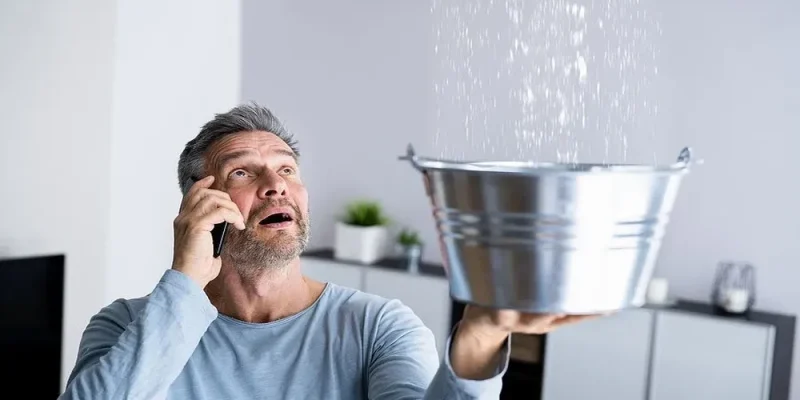
A Burst Pipe Can Become a Major Emergency in Minutes
Few plumbing problems create panic as quickly as a burst pipe. One moment everything seems normal, and the next, water is pouring into your home. Whether the pipe bursts inside a wall, beneath a sink, in a basement, or above a ceiling, every minute matters. Water can spread rapidly through drywall, flooring, insulation, and furniture, causing thousands of dollars in damage if it is not stopped quickly.
While a same day plumber should be contacted immediately, there are several important steps homeowners can take before help arrives. Acting quickly can significantly reduce water damage, protect your belongings, and make the repair process much easier.
Knowing what to do during those first few minutes can make a major difference.
Shut Off the Main Water Supply Immediately
The first and most important step is stopping the flow of water. Every homeowner should know where the main water shutoff valve is located before an emergency happens. In many homes, it can be found near the water meter, in the basement, inside a utility room, or where the main water line enters the house.
Turning off the main water supply prevents additional water from flowing through the damaged pipe. The faster the water is shut off, the less damage your home will experience.
If you are unsure where your shutoff valve is located, take time to find it before an emergency occurs. This simple preparation can save thousands of dollars in future water damage.
Turn Off Electricity if Water Is Near Electrical Equipment
Safety should always come first. If water is approaching electrical outlets, appliances, your electrical panel, or exposed wiring, avoid walking through standing water until the area is safe.
If it can be done safely, turn off power to the affected area using your home’s electrical panel. If you are uncertain whether the area is safe, wait for qualified professionals rather than risking electrical shock.
Water and electricity are a dangerous combination, so personal safety should always take priority over protecting property.
Remove Valuable Items From the Area
Once the water has been stopped, begin moving valuable items away from the affected area if it is safe to do so. Furniture, electronics, rugs, photographs, important documents, and personal belongings should be relocated to dry areas whenever possible.
If water is spreading across hardwood flooring or carpeting, removing items quickly may help reduce permanent damage. Even lifting furniture onto blocks or moving boxes to another room can make a significant difference.
The goal is to minimize additional losses while waiting for professional plumbing repairs.
Begin Removing Standing Water
If there is standing water inside the home, begin removing as much as possible. Towels, mops, buckets, wet vacuums, or portable pumps can all help reduce the amount of water remaining on floors.
The sooner standing water is removed, the less opportunity it has to soak into flooring, baseboards, cabinets, and drywall.
Opening windows, running ceiling fans, and using portable fans may also help begin the drying process if weather conditions allow. While these efforts will not replace professional drying equipment when significant flooding occurs, they can slow the spread of moisture.
Avoid Temporary Repairs That Could Make Things Worse
It can be tempting to attempt a permanent repair before the plumber arrives. While temporary measures like placing a bucket beneath a leak or wrapping a damaged pipe with a towel may help contain water, homeowners should avoid repairs that require cutting pipes, using unfamiliar plumbing materials, or applying excessive force.
Improper repairs can make the situation worse or create additional damage that increases repair costs. Instead, focus on controlling the water and protecting your home until a qualified plumber arrives.
Document the Damage
If water has damaged flooring, walls, furniture, or personal belongings, consider taking photographs before cleanup begins. These photos may be useful if you need to file an insurance claim later. Documenting the affected areas provides a clear record of the damage while conditions are still fresh. Although your first priority should always be stopping the water and protecting your home, taking a few minutes to record the damage can be helpful once the emergency has passed.
Keep Family Members Away From the Affected Area
Burst pipes can create slippery floors, unstable ceilings, and hidden electrical hazards. Children and pets should be kept away from the damaged area until professionals have assessed the situation.
If water has been leaking for an extended period, sections of drywall or ceiling materials may become weakened and unstable.
Limiting traffic through the affected area also helps prevent additional damage to wet flooring and belongings.
Fast Action Makes a Big Difference
Many homeowners feel overwhelmed when a pipe bursts, but taking a few simple steps immediately can dramatically reduce the amount of damage their home experiences. Shutting off the water, protecting valuables, removing standing water, and contacting a same day plumber quickly are the most important actions you can take.
As David Milligan of Emergency Plumbing Pros often says, “You can’t always prevent a pipe from bursting, but you can absolutely reduce the amount of damage by acting quickly. Every minute counts when water is flowing inside your home.”
Professional plumbers can repair the damaged pipe, but homeowners often play the biggest role in limiting water damage during those critical first moments.
Preparation Today Can Prevent Bigger Problems Tomorrow
No homeowner expects a pipe to burst, but every home contains plumbing that can eventually fail. Knowing where your main shutoff valve is located, understanding the first steps to take during an emergency, and having the phone number of a trusted same day plumbing company readily available can make an incredibly stressful situation much easier to manage.
When a burst pipe happens, staying calm and acting quickly gives you the best chance of protecting your home, reducing repair costs, and getting your plumbing system back to normal as soon as possible.






Comments