
 By
By 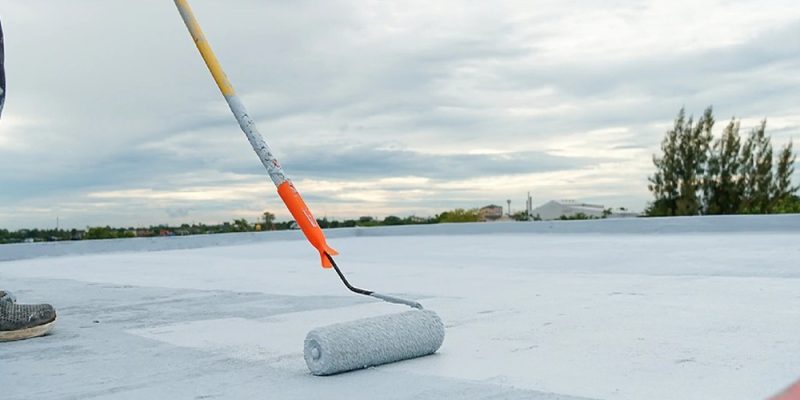
Waterproofing for concrete roof slabs is one of the most important maintenance decisions you can make for any building in Singapore. The roof is the first line of defence against tropical rain, and once that defence fails, water finds its way into everything below – ceiling boards, structural steel, electrical fittings, and interior finishes. The damage is rarely quick to appear, but once it does, the repair costs are serious.
Why Concrete Roofs Leak Over Time
A brand new concrete slab has a degree of natural resistance to water penetration. The problem is that this resistance does not last forever. Singapore’s climate is particularly hard on roofs. Intense UV radiation breaks down polymer membranes. The daily cycle of heat and cooling causes concrete to expand and contract slightly, and over the years, this movement opens hairline cracks. Rainfall during the monsoon season pushes water into those cracks under pressure.
Construction joints – the lines where separate concrete pours meet – are always the weakest points. Drainage outlets and any service penetrations through the slab are also vulnerable. And the original waterproofing membrane, however good it was when applied, will eventually degrade and need replacing.
Most concrete roofs in Singapore start showing signs of waterproofing failure somewhere between ten and twenty years after construction, though the timeline varies with the quality of the original work, the amount of direct sun exposure, and whether any maintenance has been done in the meantime.
Choosing the Right Waterproofing System
There is no single solution that works best in every situation. The right waterproofing for a concrete roof depends on the current condition of the slab, the severity of any existing leaks, how accessible the roof is for future maintenance, and whether the roof is trafficked.
The main options available in Singapore are:
- Torch-applied bituminous membranes – A proven system with good durability. Thick, self-adhesive, and resistant to water pressure. Needs surface coating to protect against UV.
- Cold-applied liquid membranes – Spray or roller applied, excellent for sealing junctions and penetrations where sheet membranes are hard to detail correctly. Comes in highly UV-resistant formulations.
- Crystalline concrete treatments – Applied to the concrete surface, these penetrate inward and form crystals that block pores from within. Often used alongside surface membranes for additional protection at crack-prone areas.
- Drainage composite systems – Used where it is more practical to manage water than to exclude it entirely. The composite layer collects water and directs it to drainage points rather than allowing it to pool above the slab.
The Detail Work That Determines Success
Any experienced waterproofing contractor will tell you that failures rarely happen in the middle of a flat membrane surface. They happen at junctions – where the roof meets a parapet wall, where a drain penetrates the slab, and where the membrane terminates at the edge of the roof.
Getting these details right takes skill and care. The membrane must be turned up the wall to a sufficient height. Drainage outlets must be integrated into the membrane properly, not just painted around. And penetrations for pipes and conduits need collars or boots that create a continuous waterproof seal around each penetration.
Former National Development Minister Desmond Lee has noted that “quality in the built environment is built on attention to detail at every stage.”Concrete roof waterproofing is a discipline where that statement is literally true. A membrane that is 95% perfectly applied but fails at one junction will leak just as badly as no membrane at all.
Surface Preparation Makes or Breaks the Job
Even the best waterproofing material will fail if the surface it is applied to is not properly prepared. Loose concrete, laitance, contamination from previous coatings, and residual moisture are all common causes of membrane delamination and early failure.
A professional roof waterproofing contractor will clean the surface thoroughly, repair any spalled or damaged concrete, prime the surface appropriately, and check moisture levels before application begins. These steps add time and cost to the job, but they are what separates a waterproofing system that lasts fifteen years from one that starts peeling within three.
Waterproofing for a concrete roof is not a glamorous maintenance task, but it is one of the most consequential ones. Getting it right protects the entire building beneath it and saves you from far more expensive repairs down the line.








Comments