
 By
By 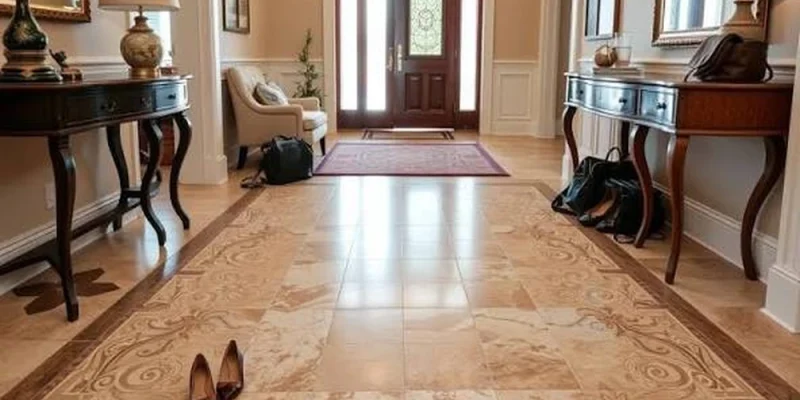
Foot traffic leaves its mark, whether it’s a bustling hotel lobby or your home’s busiest hallway. The wrong ceramic tile can chip, crack, or become dangerously slippery. The right one not only survives the daily grind but stays beautiful for years. So, what really matters when choosing ceramic tiles for high traffic areas?
Key Characteristics of Ceramic Tiles Suitable for High Traffic Areas
Durability and Wear Resistance: Porcelain vs. Traditional Ceramic
Not all ceramic tiles are created equal. Porcelain, technically a type of ceramic, stands out for its density and water resistance. It’s fired at higher temperatures, making it harder and less porous than traditional ceramic tiles. For spaces like retail stores or commercial kitchens, porcelain often wins because it resists chipping and wear. Standard ceramic tiles can work for moderate foot traffic, but heavy use may expose weaknesses over time.
Slip Resistance and Safety Considerations
A gleaming tile might catch your eye, but if people are slipping, it’s a problem. Tiles are rated for slip resistance (often by a COF or R rating). For high traffic areas, especially where floors get wet, opt for tiles with higher slip resistance to keep everyone on their feet.
Maintenance Requirements and Stain Resistance
Grime is inevitable where crowds go. Low-porosity tiles, especially porcelain, shrug off stains and are easy to mop. Highly polished tiles, while elegant, can show every smudge and may require frequent cleaning. Prioritize easy-care surfaces to cut down on maintenance headaches.
Comparing Different Ceramic Tile Finishes
Glossy vs. Matte: Aesthetic Impact and Practicality
Glossy tiles can create a sense of luxury and make spaces appear larger, but their slick surface is prone to showing scratches and can become hazardous when wet. Matte finishes, on the other hand, hide imperfections better and provide more grip, which is essential in busy settings.
Textured Surfaces: Benefits and Drawbacks in Busy Spaces
Textured tiles offer even more slip resistance, making them popular in commercial entrances and bathrooms. However, they can trap dirt in crevices, increasing cleaning time. The choice depends on your balance between safety and maintenance.
Color and Pattern Choices for Concealing Dirt and Wear
Light, uniform tiles can make a room feel airy, but they highlight every speck of dirt. Busy patterns or mid-tone colors disguise scuffs and stains, keeping high-traffic floors looking fresh between cleanings.
Installation Methods and Their Impact on Longevity
Thinset vs. Mastic Adhesives
For floors that see constant use, thinset mortar is the go-to adhesive. It provides a robust bond and handles moisture well. Mastic is easier to work with but less durable and usually reserved for walls or light-traffic spaces.
Grout Types for High Traffic Durability
Cement-based grout is common, but it can stain and crack. Epoxy grout resists moisture, stains, and chemicals, making it ideal for high traffic zones. It costs more, but the longevity can offset the investment.
Professional Installation vs. DIY: Risks and Rewards
A flawless installation can mean the difference between a floor that lasts decades and one that needs replacing within a few years. Professionals ensure tiles are level, properly spaced, and securely adhered. DIY projects can save money upfront, but even a minor mistake in busy areas can result in costly repairs.
Cost Analysis: Upfront vs. Long-Term Investment
| Tile Type | Initial Price (per sq ft) | Maintenance Costs | Lifespan | Replacement Frequency |
|———————|————————–|——————-|———————-|———————-|
| Standard Ceramic | $2 – $5 | Moderate | 10-15 years | Higher |
| Porcelain | $4 – $10 | Low | 20+ years | Lower |
| Textured/Matte | $3 – $8 | Moderate | 15-20 years | Lower |
At first glance, porcelain and textured tiles appear pricier. Over time, their durability and lower maintenance needs often make them less expensive in the long run. Consider property value, too, a well-chosen tile can enhance resale appeal.
Environmental and Health Considerations
Eco-Friendly Tile Options and Certifications
Look for tiles made with recycled content or from manufacturers with green certifications. Low-VOC adhesives and grouts improve indoor air quality.
Impact of Tile Materials on Indoor Air Quality
Ceramic and porcelain tiles are non-toxic, hypoallergenic, and do not harbor mold or bacteria, making them a smart choice for healthy environments.
Recyclability and Sustainability of Ceramic Tiles
Most ceramic tiles can be recycled or repurposed, reducing construction waste. Opting for local suppliers, such as Club Ceramic Montreal, can also minimize transportation emissions and support sustainable sourcing.
Real-World Performance: Case Studies and User Experiences
Commercial Settings: What Works Best and Why
Busy restaurants and malls often turn to porcelain with matte or lightly textured finishes. Facility managers report fewer chips, safer floors, and easier cleaning.
Residential High Traffic Areas: Balancing Style and Function
Homeowners with kids or pets favor mid-tone, patterned tiles for entryways and kitchens. These hide everyday messes and wear, keeping spaces presentable.
Lessons Learned from Installation Failures and Successes
Poor prep or grout choice leads to premature cracking and replacements. Success stories consistently point to investing in quality materials and professional installation.
Final Recommendations Based on Usage and Budget
Best Ceramic Tiles for Commercial High Traffic Areas
Opt for dense porcelain with a matte or textured surface and epoxy grout for maximum durability.
Ideal Choices for Residential and Mixed-Use Spaces
Look for durable ceramic or porcelain in mid-tone colors and subtle patterns to balance aesthetics and practicality.
How to Prioritize Features According to Specific Needs
Assess the space’s use, exposure to moisture, and desired maintenance level. Prioritize slip resistance and stain resistance for commercial settings; style and comfort for residential areas. The right choice stands up to foot traffic without sacrificing beauty or safety.







Comments