
 By
By 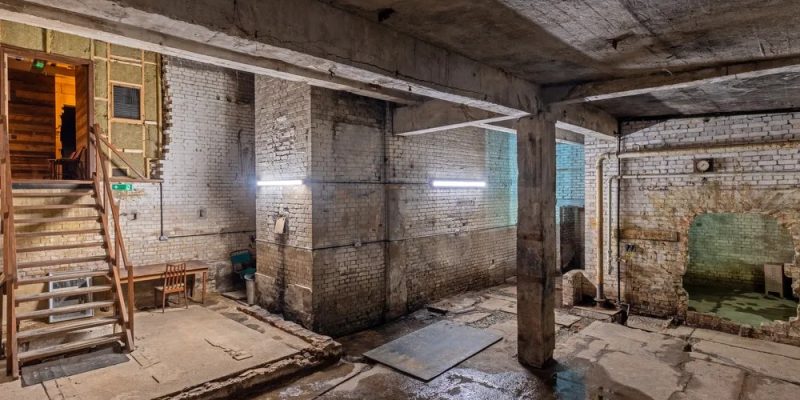
Basement underpinning is one of the most effective ways to strengthen a home’s foundation and increase usable basement space. However, it is also one of the most technically demanding structural services. When basement underpinning is executed improperly, the consequences can extend far beyond cosmetic damage, affecting the safety, stability, and long-term value of the home. Many of the problems associated with underpinning do not appear immediately, which makes proper execution and oversight even more critical.
Understanding what can go wrong-and why those issues occur-helps homeowners recognize the importance of experience, planning, and adherence to proper procedures. More importantly, it provides clarity on how these risks can be avoided altogether.
Structural Instability From Improper Sequencing
One of the most serious risks of improper basement underpinning is structural instability caused by incorrect sequencing. Underpinning must be performed in carefully planned sections to ensure the home remains supported at all times. If too much soil is excavated at once, or if sections are not allowed to cure fully before proceeding, the foundation can experience uneven settlement or sudden movement.
This type of error can lead to cracked walls, shifted floors, or, in extreme cases, structural failure. Proper sequencing is not optional; it is a core principle of safe underpinning. Avoiding this risk requires strict adherence to engineering plans and a disciplined, methodical approach throughout the project.
Inadequate Curing and Concrete Quality Issues
Concrete strength is fundamental to the success of basement underpinning. If the concrete used does not meet required specifications, or if curing time is shortened to accelerate the project, the new footings may not achieve their intended load-bearing capacity.
Improper curing can result in weakened sections that compromise the foundation over time. These deficiencies may not be visible immediately, but they can manifest years later as settlement or cracking. Ensuring proper concrete mix design, placement, and curing time is essential to long-term performance.
Poor Soil Assessment and Load Miscalculation
Basement underpinning relies on the assumption that the new foundation depth reaches stable soil capable of supporting the structure. If soil conditions are not properly assessed, underpinning may fail to address the underlying cause of settlement.
Incorrect assumptions about soil composition, moisture levels, or bearing capacity can lead to continued movement even after underpinning is complete. This risk highlights the importance of engineering involvement and site-specific analysis rather than relying on generic solutions.
Water Intrusion and Drainage Problems
Improper underpinning can also create new pathways for water intrusion if drainage and waterproofing considerations are overlooked. Excavation alters how water moves around the foundation, and without proper planning, moisture issues can worsen rather than improve.
Cracks at underpinning joints, inadequate sealing, or failure to integrate drainage systems can result in persistent water problems. These issues often become apparent after the project is complete, leading to frustration and additional repair costs. Integrating moisture management into the underpinning plan is essential to avoiding these outcomes.
Damage to Adjacent Structures or Interior Finishes
Basement underpinning affects not only the foundation but also the structure above it. Improper execution can cause stress that leads to cracking in walls, ceilings, or finishes throughout the home. Doors may shift, floors may slope, and previously stable areas can become misaligned.
These issues are often the result of uneven load transfer or excessive vibration during excavation. Skilled execution minimizes these risks by maintaining balance and controlling movement throughout the process.
Code Violations and Permit Issues
Underpinning projects that bypass permits or engineering oversight can result in serious legal and financial consequences. Building codes exist to ensure structural safety, and failure to comply can lead to failed inspections, fines, or complications during future property sales.
Improperly documented underpinning can raise red flags during real estate transactions, potentially reducing buyer confidence or delaying closing. Following proper permitting and inspection procedures protects homeowners not only structurally but also legally.
Increased Long-Term Repair Costs
One of the most frustrating outcomes of improper basement underpinning is the need for corrective work. Fixing mistakes after the fact is often more complex and expensive than doing the job correctly the first time.
Corrective underpinning may require partial demolition, additional excavation, or reinforcement of compromised sections. These added costs can quickly surpass the original project budget, turning what should have been a long-term solution into an ongoing financial burden.
How Experience and Planning Prevent Problems
The risks associated with basement underpinning are not inherent to the process itself but to how it is executed. Experienced professionals rely on engineering guidance, detailed planning, and proven methods to mitigate these risks.
Clear staging plans, soil assessment, proper materials, and ongoing monitoring all contribute to a successful outcome. Homeowners who prioritize experience and transparency significantly reduce the likelihood of problems.
Warning Signs of Improper Underpinning
While many issues develop slowly, some warning signs may appear during or after construction. These include new cracks, uneven floors, persistent water intrusion, or unusual movement in walls or door frames.
Addressing these signs early can prevent further damage. Homeowners should feel empowered to ask questions and seek clarification if something does not seem right during the process.
Avoiding Problems Starts With the Right Decisions
Basement underpinning is a powerful solution when executed correctly, but its success depends on precision, expertise, and respect for structural principles. Understanding what can go wrong highlights why shortcuts and inexperience pose serious risks.
By choosing qualified professionals, following engineering guidance, and prioritizing proper execution, homeowners can avoid costly mistakes and ensure that basement underpinning delivers the stability and long-term value it is meant to provide.








Comments