
 By
By 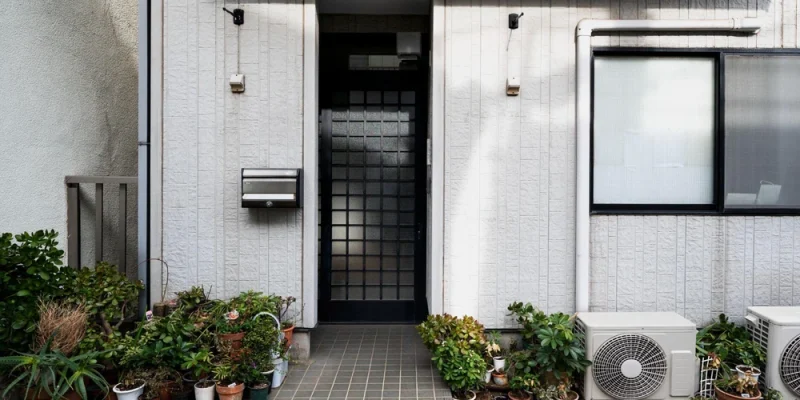
Key Highlights
- Long piping runs in multi-storey homes require specialised pressure management and thicker insulation.
- Aesthetic considerations are vital for maintaining the architectural beauty of landed estates.
- Structural drilling and waterproofing are more complex in landed properties compared to high-rise units.
- Higher electrical load requirements often necessitate power supply upgrades.
Introduction
Installing an air conditioning system in a landed property is a significantly different undertaking than a standard HDB or condo installation. With multiple storeys, high ceilings, and unique architectural features, landed homes require a bespoke approach to cooling. From semi-detached houses to sprawling bungalows, the sheer scale of the building introduces technical challenges that only the best aircon installation in Singapore can handle effectively.
Homeowners of landed properties often face decisions regarding centralisation, piping routes, and the placement of multiple outdoor units. Because these homes are private, there is more flexibility in design, but this also brings more responsibility for structural integrity and long-term maintenance. Understanding these unique challenges is essential for ensuring that your home remains cool and comfortable without compromising its aesthetic or structural value. Here is why landed property aircon installation requires expert planning and execution.
1. Managing Long Piping Runs and Refrigerant Flow
In a typical apartment, the distance between the indoor unit and the outdoor condenser is relatively short. In a landed home, however, you may need to run piping across multiple floors or from one end of a large building to the other. These long piping runs create resistance and can lead to a drop in cooling efficiency if the system is not designed correctly.
The best aircon installation in Singapore for landed homes involves calculating the exact length of the copper pipes and ensuring that the refrigerant charge is adjusted accordingly. If the pipes are too long without the proper diameter or support, the compressor will experience excessive strain, leading to premature failure. Furthermore, high-quality, extra-thick insulation is mandatory for these long runs to prevent condensation from forming inside the ceiling voids, which can lead to hidden mould growth and water damage.
2. Structural Integrity and Waterproofing
Landed property aircon installation often requires drilling through external walls and reinforced concrete beams to create paths for piping and drainage. Unlike HDB flats where many of these routes are pre-planned, a landed home might require new penetrations. If these holes are not sealed and waterproofed correctly, they can become entry points for rainwater, leading to dampness and structural issues over time.
A professional installer will use specialised equipment to ensure clean cuts and will apply high-grade weatherproofing sealants to any external entry points. They also need to consider the structural layout of the house to avoid damaging critical load-bearing elements. This level of care ensures that the installation is not just functional, but also safe and protective of the home’s long-term value.
3. Aesthetic Integration and Outdoor Unit Placement
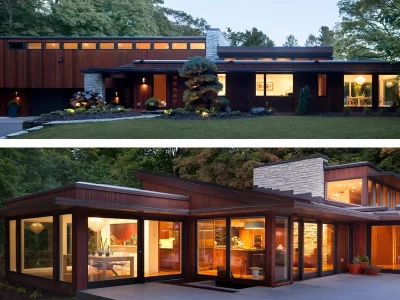
For many landed property owners, the visual appeal of the home is a priority. Having multiple bulky condenser units visible from the garden or the street can detract from the property’s curb appeal. Therefore, strategic placement is essential. This often means placing condensers on the roof or in hidden side passages, which further complicates the piping and electrical layout.
The best aircon installation in Singapore should offer solutions like VRV (Variable Refrigerant Volume) systems, which allow multiple indoor units to connect to a single, powerful outdoor condenser. This reduces the number of outdoor units needed and makes for a much cleaner exterior look. Professional installers will work with the homeowner or architect to ensure that the AC system integrates seamlessly with the building’s design, using concealed trunking where possible.
4. Electrical Load and Power Supply Capacity
Landed homes often have high power requirements due to the large number of air conditioning units, pool pumps, and security systems running simultaneously. Before a landed property aircon installation, it is crucial to assess the main electrical board’s capacity. If the system draws more power than the house is rated for, it can lead to frequent circuit trips or even electrical fires.
A reputable installation company will perform a load analysis and advise if an electrical upgrade is necessary. This might involve coordinating with an electrician to pull new cables from the main switchboard to the various condenser locations. Ensuring that the electrical infrastructure can handle the new cooling load is a vital safety step that should never be skipped in large-scale residential projects.
Conclusion
Installing air conditioning in a landed home is a major project that requires a high level of technical expertise and careful planning. By addressing the challenges of long piping, structural safety, aesthetics, and electrical capacity, you can ensure that your cooling system is efficient, reliable, and discreet. Choosing an experienced partner for your installation is the only way to achieve a professional result that enhances your living experience.
Contact Newway Air Conditioning for the best aircon installation in Singapore and specialised expertise in landed property aircon installation.






Comments