
 By
By 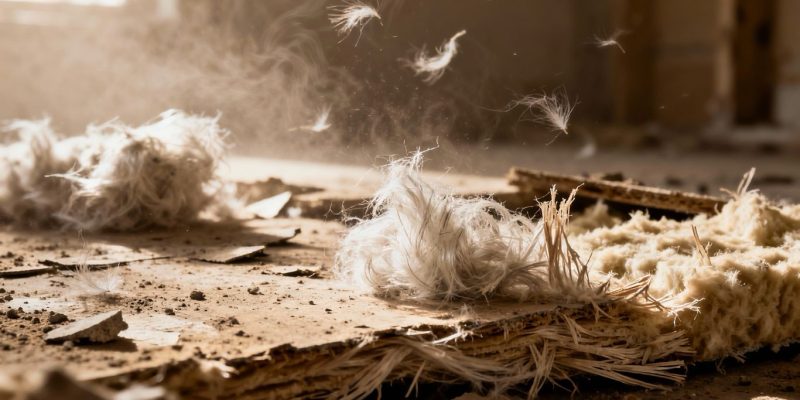
What is Asbestos?
Asbestos is a naturally occurring group of minerals that form microscopic fibers. These fibers are known for their strength, heat resistance, and insulating properties. For much of the 20th century, these characteristics made asbestos a popular additive in a wide range of building materials. However, the very properties that made asbestos useful also make it a significant health hazard when disturbed.
Historical Use in Construction
From the early 1900s through the 1970s, asbestos was extensively incorporated into construction materials. It was valued for its ability to strengthen cement, insulate against heat and sound, and provide fire resistance. This widespread use means that many buildings constructed or renovated during this period likely contain asbestos-containing materials (ACMs). While its use has been significantly restricted in many countries, legacy ACMs remain a concern in older structures.
Common Locations in Older Buildings
Asbestos can be found in numerous places within older homes and commercial buildings. It was commonly used in:
- Insulation:Wrapped around pipes, boilers, and in attic insulation.
- Fireproofing:Sprayed-on coatings on structural steel and in ceiling tiles.
- Flooring and Ceiling Materials:Vinyl floor tiles, sheet flooring, and acoustic ceiling tiles.
- Cement Products:Shingles, siding, and cement pipes.
- Textured Paints and Coatings:Often found on walls and ceilings.
- Adhesives and Sealants:Used in tiling and joint compounds.
The primary risk arises when these materials are damaged, disturbed, or deteriorate, releasing asbestos fibers into the air. When asbestos fibers become airborne, they can be inhaled, leading to serious health issues like mesothelioma. Understanding where asbestos might be located is the first step in assessing potential risks in older buildings. If you suspect asbestos is present, it is advisable to consult with professionals for testing and assessment.
Health Implications of Asbestos Exposure
How Asbestos Fibers Cause Harm
When asbestos materials are disturbed, tiny fibers can become airborne and inhaled. These microscopic fibers are sharp and durable, meaning they can lodge deep within the lungs. Once inside, they can cause irritation and inflammation. Over time, this persistent irritation can lead to scarring of the lung tissue, a process known as fibrosis. The body attempts to wall off these foreign fibers, but this defense mechanism results in permanent damage that impairs lung function.
Asbestosis: Scarring of the Lungs
Asbestosis is a chronic lung disease directly linked to inhaling asbestos fibers. It’s characterized by the progressive scarring of lung tissue. This scarring makes the lungs stiff and less able to expand, leading to significant breathing difficulties. Symptoms often include a persistent cough, chest tightness, and shortness of breath, particularly during physical activity. The condition can worsen over time, even after exposure has ended.
Increased Risk of Cancers
Beyond asbestosis, asbestos exposure is a known cause of several serious cancers. The most well-known is mesothelioma, a rare and aggressive cancer that affects the lining of the lungs, abdomen, or heart. Asbestos exposure also significantly increases the risk of developing lung cancer. It’s important to note that the risk of lung cancer is substantially higher for individuals who both smoke and have been exposed to asbestos.
Latency Period of Asbestos-Related Diseases
One of the most challenging aspects of asbestos-related diseases is their long latency period. This means that symptoms may not appear for many years, often 15 to 40 years or even longer, after the initial exposure. This extended delay makes it difficult to connect current health problems to past asbestos exposure, especially for individuals who may not recall specific instances of contact with the material. This long delay underscores the importance of awareness and preventative measures, even if no immediate symptoms are present.
Factors Influencing Asbestos Risk
Duration and Intensity of Exposure
The amount of time someone is exposed to asbestos and how concentrated that exposure is play a big role in the potential health risks. Think of it like this: spending a few minutes in a room where asbestos dust is lightly present is very different from working for years in an environment with high levels of airborne fibers. The longer and more intense the exposure, the greater the chance of developing asbestos-related illnesses. This is why occupations that historically involved direct handling or disturbance of asbestos materials, such as construction, shipbuilding, and mining, carried significantly higher risks.
Type and Condition of Asbestos Material
Not all asbestos-containing materials are created equal when it comes to risk. The danger often comes from asbestos fibers becoming airborne. Materials where asbestos is tightly bound within a solid matrix, like in some types of flooring or cement products, generally pose less of a risk if left undisturbed. However, if these materials become damaged, friable (easily crumbled), or are subjected to processes like sawing, drilling, or demolition, they can release fibers into the air, increasing exposure potential. The condition of the material is key; intact, sealed asbestos is far less hazardous than damaged, deteriorating material.
Individual Health Factors and Genetics
While exposure is the primary driver, individual health plays a part too. Pre-existing lung conditions, like COPD or emphysema, can make someone more vulnerable to the damaging effects of asbestos fibers. Similarly, smoking significantly amplifies the risk of developing lung cancer in individuals exposed to asbestos. There’s also a genetic component; certain rare genetic mutations, such as those affecting the BAP1 gene, have been linked to an increased susceptibility to asbestos-related cancers like mesothelioma, even with less intense exposure.
Occupational Exposure Risks
Certain jobs have historically placed individuals at a much higher risk due to the nature of their work involving asbestos. These include:
- Construction and Renovation Workers:Especially those working with older buildings where asbestos was commonly used in insulation, tiles, and cement.
- Miners and Mill Workers:Involved in extracting and processing asbestos ore.
- Insulation Installers and Removers:Directly handling asbestos-containing insulation materials.
- Shipyard and Railroad Workers:Many older ships and trains used asbestos for insulation and fireproofing.
- Automotive Mechanics:Working with brake pads and clutches that often contained asbestos.
These professions often involved prolonged and intense exposure to airborne asbestos fibers, leading to a higher incidence of asbestos-related diseases among workers in these fields.
Identifying Potential Asbestos Sources
Identifying potential asbestos sources in older buildings is a key step in managing health risks. Because asbestos was widely used for its fire-resistant and insulating properties, it can be found in a surprising number of building materials. A thorough inspection, often best conducted by a professional, is necessary to pinpoint these hidden hazards.
Building Materials Susceptible to Asbestos
Many common construction materials used between the 1930s and 1990s may contain asbestos. These include:
- Insulation:Pipe wrap, furnace insulation, and vermiculite attic insulation are common culprits.
- Flooring and Ceiling:Vinyl floor tiles, their backing, and adhesives, as well as some ceiling tiles, can contain asbestos.
- Roofing and Siding:Asbestos cement shingles and siding were frequently used for their durability and fire resistance.
- Textured Finishes:Paints and patching compounds applied to walls and ceilings for texture might also contain asbestos fibers.
Automotive Components Containing Asbestos
Beyond the home, asbestos was also prevalent in automotive parts. Friction materials, such as brake pads and clutch facings, relied on asbestos for heat resistance. Gaskets and some heat-resistant fabrics in vehicles also incorporated this mineral. If you’re working on older vehicles, especially during repairs or restoration, be aware of these potential sources.
Visual Indicators and Limitations
While some materials might show signs of wear, such as fraying or crumbling, it’s important to understand that visual inspection alone is not enough. You cannot definitively identify asbestos just by looking at it. Many materials that look similar to asbestos-containing products are actually made from safer alternatives like fiberglass or mineral wool. The only way to be certain is through professional testing. If you suspect a material might contain asbestos, it’s best to treat it with caution and avoid disturbing it until it can be properly assessed by a qualified professional who can collect and analyze a sample. This is particularly important before undertaking any renovations or repairs on older properties, as disturbing these materials can release dangerous fibers into the air, increasing the risk of exposure. For more information on where asbestos might be found, resources on asbestos in construction can be helpful.
Managing Asbestos in Residential Properties
When Asbestos Poses Minimal Risk
It’s important to understand that asbestos materials in a home don’t automatically mean there’s an immediate danger. The risk primarily arises when these materials become damaged or disturbed, allowing microscopic fibers to become airborne. If asbestos-containing materials are in good condition, left undisturbed, and securely contained—perhaps sealed behind walls, isolated in an attic, or tightly bound within a product—they generally pose little to no health risk. Think of it like this: if the material isn’t crumbling or breaking apart, the asbestos fibers are staying put.
Importance of Professional Testing
Because you can’t always tell if a material contains asbestos just by looking at it, professional testing is highly recommended, especially if you live in an older home or are planning any renovations. A qualified professional can take a sample of the suspect material and send it to a lab for analysis. This testing provides definitive information about the presence and type of asbestos, which is the first step in making informed decisions about managing it. Relying on visual inspection alone can be misleading, as some non-asbestos materials can look quite similar.
Safe Handling of Undisturbed Materials
If testing confirms the presence of asbestos and the material is in good condition and undisturbed, the safest approach is often to leave it alone. Avoid any activity that could potentially disturb it, such as drilling, sanding, or cutting. Regular visual checks can help monitor the material’s condition over time. If you notice any signs of damage, such as fraying or crumbling, it’s time to consult with a professional asbestos abatement specialist. For materials like vermiculite insulation, sealing any gaps around hatches or fixtures can help prevent fiber release, but direct disturbance should always be avoided.
Safety Precautions During Renovations
Renovating an older home can uncover hidden asbestos, turning a simple project into a health hazard if not handled correctly. Disturbing materials that contain asbestos is the primary way asbestos fibers become airborne and pose a risk. This is especially true during activities like demolition, sanding, or cutting. Without proper precautions, these microscopic fibers can spread throughout the living space, leading to potential long-term health issues for occupants.
When planning renovations in a property built before the 1980s, it is vital to approach the work with caution. The following steps are recommended:
- Assume Suspect Materials Contain Asbestos:Until proven otherwise by professional testing, treat any material that looks like it might contain asbestos as if it does. This includes insulation, textured paints, vinyl floor tiles, and roofing materials.
- Professional Assessment is Key:Before any demolition or alteration begins, have a qualified asbestos inspector assess the property. They can identify potential asbestos-containing materials (ACMs) and advise on the best course of action. Never attempt to test or remove asbestos yourself.
- Hire Certified Professionals for Abatement:If ACMs are found and need removal or encapsulation, always hire licensed and experienced asbestos abatement contractors. They have the specialized training, equipment, and procedures to manage asbestos safely, minimizing fiber release.
- Containment and Ventilation:During abatement, professionals will set up containment barriers to prevent fiber spread. They will also manage ventilation systems to avoid contaminating other parts of the building. This might involve shutting down HVAC systems or using specialized negative air pressure units.
- Proper Waste Disposal:Asbestos waste is hazardous and must be handled and disposed of according to strict regulations. Certified contractors will ensure this is done correctly, using sealed containers and designated disposal sites.
Reducing Your Exposure to Asbestos
Avoiding Disturbance of Suspect Materials
The most effective way to reduce your risk from asbestos is to avoid disturbing materials that might contain it. Asbestos fibers only become a health hazard when they are released into the air and inhaled. If asbestos-containing materials are in good condition and left undisturbed, they generally pose little to no risk. This is because the asbestos is bound within the material, preventing fiber release. However, activities like sanding, drilling, cutting, or breaking these materials can release fibers. If you suspect a material contains asbestos, it is best to leave it alone. For instance, if you have vermiculite insulation in your attic, avoid storing items there or allowing children to play in the space. Sealing small gaps around attic hatches or electrical outlets with caulk can also help contain any potential fibers. Always be cautious around older building materials, as they are more likely to contain asbestos.
The Role of Personal Protective Equipment
While avoiding disturbance is key, personal protective equipment (PPE) plays a role, especially if you must work near suspect materials or during renovations where disturbance is unavoidable. This includes:
- Respirators:A properly fitted respirator, such as an N95 mask or a higher-rated model, can filter out asbestos fibers from the air, significantly reducing inhalation risk. It’s important to ensure the respirator is approved for asbestos fibers and is worn correctly.
- Protective Clothing:Disposable coveralls, gloves, and shoe covers can prevent asbestos fibers from contaminating your regular clothing and being tracked into other areas of your home.
- Eye Protection:Goggles can help prevent fibers from entering your eyes.
Remember, PPE is a secondary line of defense. It is most effective when used in conjunction with methods to minimize fiber release. If you are unsure about the proper use of PPE or the risks involved, it is always safer to consult with professionals.
Importance of Quitting Smoking
For individuals who have been exposed to asbestos, quitting smoking is one of the most impactful steps they can take to reduce their risk of developing asbestos-related diseases, particularly lung cancer. The combination of asbestos exposure and smoking dramatically increases the likelihood of developing lung cancer compared to either risk factor alone. Smoking damages the lungs’ natural defense mechanisms, making them more vulnerable to the harmful effects of inhaled asbestos fibers. If you smoke and have a history of asbestos exposure, seeking support to quit is highly recommended for your long-term health. If you are concerned about potential asbestos exposure or its effects, consulting with a healthcare provider is advisable. For situations requiring the removal of asbestos materials, hiring a licensed professional is the safest approach, as they follow strict protocols to manage and dispose of asbestos safely, minimizing health risks. asbestos abatement professional







Comments