
 By
By 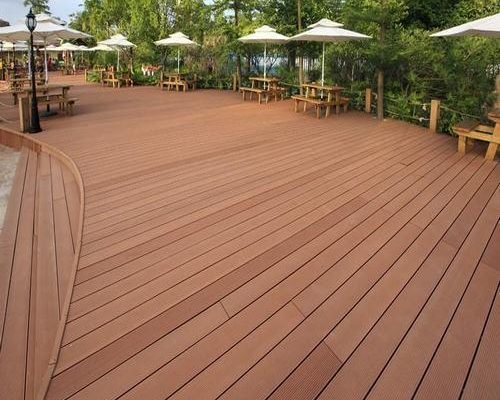
In today’s world, more homeowners are prioritizing sustainable living and making conscious choices that positively impact the environment. From energy-efficient appliances to eco-friendly building materials, the demand for green solutions in home design has never been higher. One of the most innovative options gaining popularity is WPC flooring (Wood Plastic Composite). Known for its durability, style, and environmental benefits, WPC flooring is not just a design trend but a practical choice for anyone who wants to create a greener home without compromising on comfort or beauty.
Understanding WPC Flooring
WPC flooring is made from a blend of recycled wood fibers and thermoplastic resins, making it a hybrid material that combines the natural appeal of wood with the strength and resilience of plastic. Unlike traditional hardwood, which requires the cutting down of trees, WPC often uses wood by-products and recycled plastics, helping reduce waste and conserve natural resources. The result is a flooring solution that is attractive, highly functional, and environmentally responsible.
Sustainability Starts with Materials
One of the strongest eco-friendly aspects of WPC flooring lies in its raw materials. By incorporating recycled wood and plastics, WPC reduces the pressure on forests while also keeping plastic waste out of landfills. Many manufacturers also prioritize low VOC (volatile organic compound) emissions, ensuring the flooring does not release harmful gases into the air. This makes it a safe and sustainable choice not only for the environment but also for indoor air quality.
Longevity Means Less Waste
Traditional flooring materials, such as carpet or laminate, often wear out quickly and need replacement every few years. This cycle of replacement increases waste and energy consumption. In contrast, WPC flooring is built to last. Its waterproof properties, resistance to scratches, and ability to withstand heavy foot traffic make it a long-lasting option. The durability of WPC means fewer replacements over time, reducing the overall environmental footprint of your home design.
Energy-Efficient Manufacturing
Many WPC flooring brands are adopting energy-efficient manufacturing processes to further reduce environmental impact. Compared to traditional hardwood flooring, which involves logging, milling, and long supply chains, WPC production is often localized and streamlined. Some companies even rely on renewable energy sources during manufacturing, ensuring a smaller carbon footprint from start to finish.
Indoor Health and Comfort
Eco-friendly living is not only about protecting the planet but also about creating healthier spaces for your family. WPC flooring is often made with phthalate-free materials and low VOC finishes, reducing the risks of indoor pollution. This makes it ideal for families with children, pets, or anyone sensitive to allergens. Additionally, WPC provides thermal insulation and sound absorption, contributing to a comfortable and cozy home environment.
Stylish and Eco-Conscious Design
Sustainability doesn’t mean sacrificing style. WPC flooring comes in a wide range of colors, textures, and finishes, many of which mimic natural wood and stone. Whether you want a rustic farmhouse look, a sleek modern style, or a warm traditional vibe, there are eco-friendly WPC options to match your interior design vision. The best part is that you get the charm of natural wood without cutting down more trees.
Ideal for Green Home Certifications
If you are working towards building or renovating a home with LEED (Leadership in Energy and Environmental Design) certification or other green building standards, WPC flooring can play a crucial role. Its use of recycled materials, durability, and indoor air quality benefits align well with sustainability criteria, making it a smart choice for eco-conscious homeowners and builders.
Easy Maintenance, Less Environmental Impact
Another underrated eco-friendly advantage of WPC flooring is its low-maintenance requirement. Unlike natural wood, which needs frequent polishing or chemical treatments, WPC only requires basic cleaning with mild, eco-friendly solutions. This reduces the use of harsh cleaning agents that can harm the environment. Plus, since WPC is waterproof, it doesn’t require frequent replacements in moisture-prone areas like kitchens or bathrooms.
A Long-Term Investment in Sustainability
Choosing WPC flooring is not just a one-time purchase but a long-term investment in sustainable living. Its durability, recyclability, and eco-friendly materials make it one of the best flooring options for future-proof homes. By investing in WPC flooring, you are not only enhancing the beauty and comfort of your home but also contributing to a healthier planet.
Final Thoughts
Eco-friendly living is about making small, conscious choices that add up to big environmental impacts. With WPC flooring Abu Dhabi, you don’t have to choose between sustainability and style—you can enjoy both. From its recycled materials and energy-efficient production to its durability and low maintenance, WPC flooring truly supports sustainable home design. Whether you are building a new house or renovating your existing one, consider WPC flooring as a practical and eco-conscious solution that benefits both your lifestyle and the environment.






Comments