
 By
By 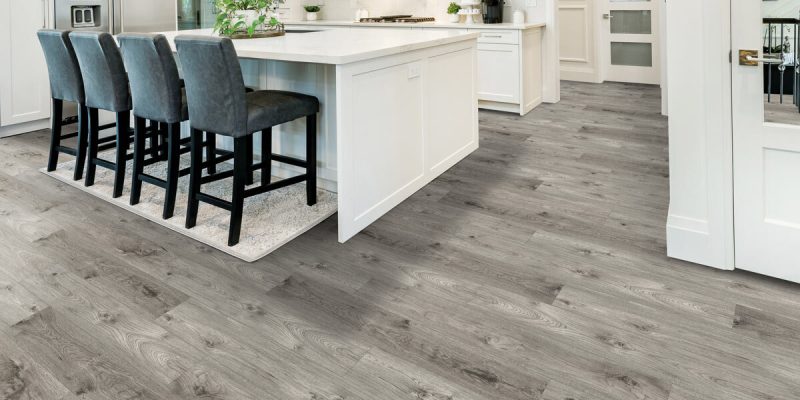
Flooring is more than just the surface you walk on—it sets the tone for your entire home. In luxury interiors, two options often dominate the conversation: parquet flooring and traditional hardwood planks. Both are timeless, elegant, and durable, but when it comes to luxury appeal and long-term value, which one truly stands out?
Let’s dive into the details to compare parquet vs. hardwood across design, functionality, maintenance, and property value.
What is Parquet Flooring?
Parquet flooring is a type of wood flooring made up of small wooden blocks or strips arranged in decorative patterns. Popular styles include:
- Herringbone – A zig-zag pattern that adds dynamic movement.
- Chevron – Similar to herringbone but with clean V-shaped points.
- Versailles – A woven pattern associated with European palaces.
- Basket Weave – A geometric, checkerboard-like design.
Originally popularized in 17th-century France, parquet remains a symbol of sophistication and artistry.
What is Traditional Hardwood Flooring?
Hardwood flooring uses long planks cut from a single species of wood, such as oak, walnut, or maple. Unlike parquet, the focus is on the natural grain and color of the wood rather than intricate designs. Hardwood floors are prized for their:
Simplicity – A clean, classic look.
Durability – Long lifespan with proper care.
Versatility – Works with nearly any design style, from rustic to modern.
Luxury Appeal: The Design Factor
Parquet Flooring
Instantly elevates interiors with its artistic patterns.
Often associated with luxury villas, hotels, and high-end apartments.
Offers a “wow factor” because it transforms the floor into a design feature rather than just a background element.
Hardwood Flooring
Exudes a sense of timeless elegance and warmth.
Perfect for minimalistic or modern homes where the focus is on simplicity.
Luxury comes not from intricate design but from the quality of the wood itself (e.g., rich walnut or exotic teak).
Verdict: If you want bold luxury that feels bespoke and statement-making, parquet wins. If you want understated sophistication, hardwood is your best bet.
Durability and Longevity
Parquet Flooring
Made from hardwood pieces, so it’s just as strong as traditional planks.
However, because of the intricate patterns, replacing damaged sections can be trickier.
Best suited for low-to-medium traffic areas like living rooms, bedrooms, and formal dining spaces.
Hardwood Flooring
Highly durable and easier to refinish multiple times over decades.
Performs better in high-traffic areas such as hallways and kitchens.
Individual planks can be more straightforward to repair or replace.
Verdict: Hardwood flooring edges out parquet for long-term durability and ease of repair.
Maintenance and Care
Parquet Flooring
Requires regular cleaning with gentle products to protect finishes.
Should be kept dry since excessive moisture can damage small joints between blocks.
More sensitive to scratches because intricate patterns make refinishing slightly more complex.
Hardwood Flooring
Easier to maintain with sweeping, vacuuming, and occasional polishing.
Can be refinished multiple times, restoring the floor to a like-new condition.
Still sensitive to moisture but less complicated to repair or sand down.
Verdict: Hardwood flooring is simpler to maintain, making it more practical for busy households.
Cost and Investment
Parquet Flooring
Tends to be more expensive upfront because of the craftsmanship required.
Considered an investment piece that elevates property value, especially in luxury real estate markets.
Its rarity and exclusivity often justify the higher price tag.
Hardwood Flooring
Costs vary widely depending on wood species, but generally more affordable than parquet.
Still adds significant value to homes because it’s a universally desirable feature.
Offers a higher return on investment in mass-market properties.
Verdict: For pure resale value in a broad market, hardwood is a safe bet. For luxury buyers seeking uniqueness, parquet can deliver a premium edge.
Lifestyle Considerations
Ask yourself:
Do you entertain guests often and want your home to make a bold statement? Parquet is ideal.
Do you prefer low-maintenance elegance that blends with various interior design styles? Hardwood is the answer.
Do you live in a high-humidity or high-traffic environment? Hardwood may be more practical.
Final Verdict: Which One Wins?
There’s no one-size-fits-all answer because both parquet and hardwood flooring bring unique strengths:
Parquet Flooring is best for homeowners who want an artistic, luxurious centerpiece that sets their property apart. It screams exclusivity and is perfect for upscale homes, apartments, and boutique interiors.
Hardwood Flooring is the go-to for those Vinyl Flooring who want timeless elegance, durability, and easy maintenance. It suits a wider range of homes and lifestyles, making it a versatile and long-lasting choice.
Ultimately, the decision comes down to your priorities:
Choose parquet if you value design, artistry, and uniqueness.
Choose hardwood if you value practicality, tradition, and timeless appeal.
Either way, both flooring options promise to add warmth, beauty, and value to your home—ensuring that every step you take is a step in style.







Comments